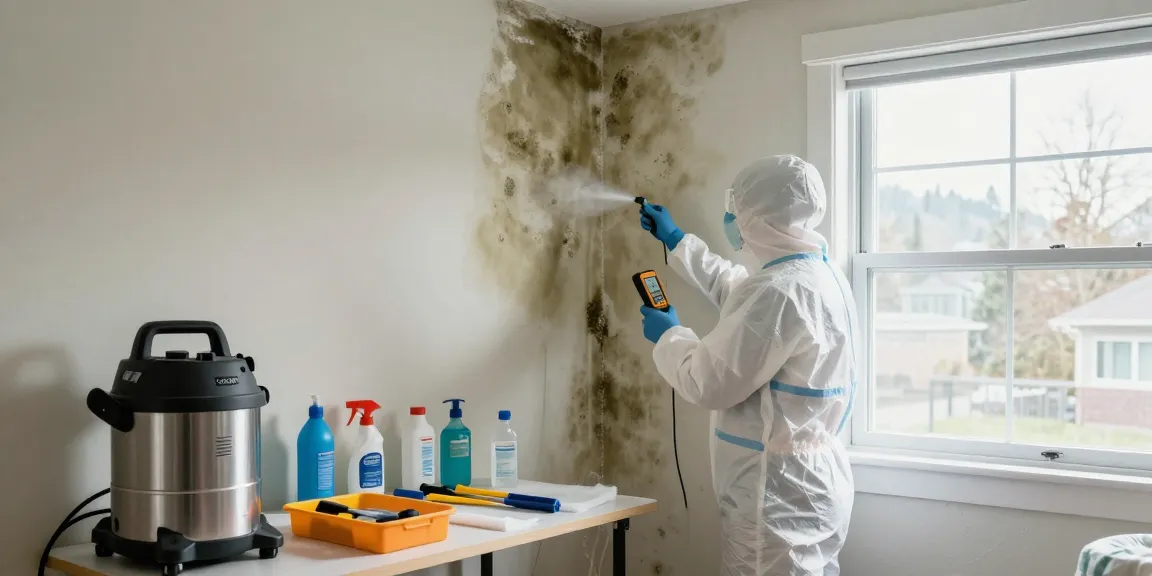
Understanding Mold Remediation in North Vancouver
Mold growth is a common concern for homeowners and business owners in North Vancouver, primarily due to its damp coastal climate. Mold can cause extensive damage to properties and pose serious health risks if not addressed promptly. For those searching for reliable solutions, Mold Remediation North Vancouver offers a comprehensive approach to tackling mold issues effectively. This guide explores the essentials of mold remediation, including identification, removal processes, and preventive measures.
What is Mold Remediation?
Mold remediation refers to the process of identifying, containing, and removing mold infestations from a property. It involves thorough cleaning and restoration procedures to ensure that the mold does not return. Professional mold remediation services are crucial because they use specialized equipment and techniques that go beyond simple cleaning, addressing the root causes of mold growth.
Signs You Need Mold Remediation
Recognizing the signs of mold infestation is vital for timely remediation. Homeowners should be aware of:
- Visible mold growth on surfaces such as walls, ceilings, and floors.
- A musty or earthy odor, often associated with damp areas.
- Water stains or discoloration on walls and ceilings.
- Increased allergy symptoms or respiratory issues among household members.
- Recent water damage from leaks, floods, or high humidity.
If you notice any of these signs, it is essential to contact a mold remediation specialist immediately to evaluate the situation and implement an appropriate response.
Common Misconceptions About Mold Cleanup
There are several misconceptions about mold cleanup that can lead to inadequate solutions:
- Misconception 1: Bleach is effective for mold removal - While bleach can reduce surface mold, it does not penetrate porous materials and may encourage mold regrowth.
- Misconception 2: All mold is harmful - While some mold types are toxic, others are not. However, all mold should be treated as a potential risk to health and property.
- Misconception 3: DIY methods are sufficient - Professional mold remediation involves specialized equipment and techniques that are not easily replicated at home.
The Mold Remediation Process Explained
Initial Inspection and Assessment
The mold remediation process begins with a thorough inspection of the property to identify visible mold and potential sources of moisture. This may involve using advanced tools like moisture meters and thermal imaging. A comprehensive assessment helps create a targeted remediation plan tailored to the specific needs of the property.
Mold Containment and Removal Techniques
Once the inspection is complete, the remediation team sets up containment barriers to prevent the spread of mold spores during the removal process. Techniques may include:
- Negative Air Pressure: This approach helps to keep mold spores from escaping the work area.
- HEPA Filtration: High-efficiency particulate air (HEPA) filters are used to capture microscopic spores in the air.
- Physical Removal: Contaminated materials, such as drywall or carpet, may need to be removed and disposed of to eliminate the mold entirely.
Post-Remediation Air Quality Testing
After mold removal, air quality testing is crucial to ensure that mold spores are no longer present in the air. This step verifies the effectiveness of the remediation process and provides peace of mind to homeowners.
Cost Factors for Mold Remediation Services in North Vancouver
Averaging Mold Remediation Costs
The cost of mold remediation in North Vancouver can vary widely based on several factors, including the extent of the mold damage, the size of the affected area, and the materials involved. On average, homeowners can expect to pay between $1,500 and $3,000 for professional remediation services.
Factors Influencing Cost of Services
Several factors can influence the cost of mold remediation, including:
- Extent of Damage: Extensive mold contamination may require more labor and material costs.
- Type of Property: Residential properties may have different costs compared to commercial spaces, depending on compliance requirements.
- Location: Mold remediation costs in metropolitan areas may be higher due to increased demand for services.
Insurance Coverage for Mold Remediation
Many homeowners' insurance policies may cover mold remediation costs, but it's essential to check the specifics of your policy. Coverage can depend on whether the mold was caused by a covered peril, such as a burst pipe. Homeowners should document the damage and consult with their insurance providers to understand their coverage options.
Health Risks Associated with Mold Exposure
Common Health Issues Linked to Mold
Mold exposure can lead to various health issues, especially for individuals with allergies, asthma, or weakened immune systems. Common symptoms include:
- Coughing and wheezing
- Eye irritation
- Skin rashes
- Nasal congestion
- Fatigue and headaches
In severe cases, prolonged exposure can lead to more serious respiratory issues or mold-related illnesses.
Preventive Measures for Vulnerable Individuals
Individuals with pre-existing health conditions should take extra precautions in mold-prone environments:
- Limit exposure to damp areas and use air purifiers to maintain air quality.
- Ensure proper ventilation and use dehumidifiers in high-moisture areas.
- Seek immediate help for any signs of mold growth.
Seeking Professional Help: When to Act
If you suspect mold growth in your home or business, it is crucial to act quickly. Do not wait for symptoms to worsen; contact a professional mold remediation service immediately to prevent further damage and health risks.
Future Trends in Mold Remediation
Advancements in Mold Detection Technology
As technology advances, so do the methods for detecting mold. Innovative tools such as infrared cameras and advanced moisture meters are allowing professionals to identify mold problems before they become severe.
Sustainable Practices in Mold Remediation
With an increasing focus on environmental sustainability, mold remediation companies are beginning to adopt greener practices. This includes using eco-friendly cleaning products and methods that minimize waste and promote air quality.
Anticipating Changes in Local Regulations
As awareness of mold-related health issues grows, local regulations concerning mold remediation are likely to evolve. Professionals in the industry must stay informed about legislative changes to ensure compliance and best practices.
How to Maintain a Mold-Free Environment?
Preventing mold growth requires ongoing vigilance. Homeowners can take proactive steps such as:
- Regularly inspecting potential problem areas like basements, attics, and bathrooms.
- Maintaining proper ventilation in the home.
- Addressing water leaks immediately.
Is DIY Mold Cleanup Worth It?
While some homeowners may consider DIY methods for mold cleanup, it is often not recommended. Professional services provide deeper cleaning and the necessary expertise to ensure the mold is fully removed and does not return.